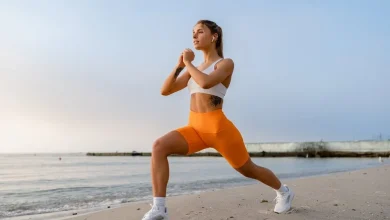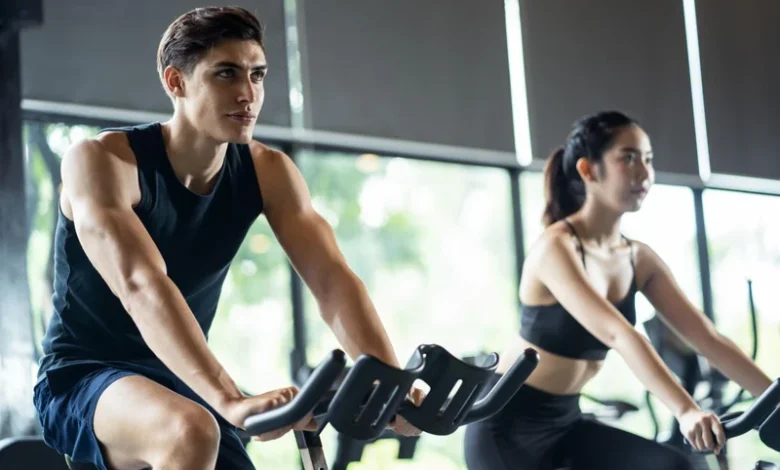
Beauty in Singapore has long been shaped by visual ideals. Clear skin, slim silhouettes, and polished appearances dominate social media, advertising, and even workplace culture. While skincare routines and cosmetic solutions remain popular, there is a growing shift happening beneath the surface. Beauty is slowly moving away from surface perfection and toward presence, posture, and how a person carries themselves.
This shift is strongly influenced by indoor cycling singapore. Not because it promises physical transformation, but because it changes how people experience their bodies. Indoor cycling does not centre beauty on mirrors or appearance. It builds beauty through movement, control, confidence, and physical awareness, qualities that translate naturally into how people look and feel in daily life.
Why Traditional Beauty Narratives Are Losing Relevance
For many years, beauty content has focused on correction. Fix this feature, tone that area, smooth this texture. While these narratives sell products, they also create constant dissatisfaction.
In Singapore’s image-conscious environment, this pressure is intensified. People feel watched in public spaces, workplaces, and social settings. Beauty becomes something to maintain rather than something to embody.
As a result, many feel disconnected from their bodies. Exercise is pursued as punishment or correction instead of expression. This disconnect weakens confidence rather than strengthening it.
Indoor cycling offers an alternative narrative, one that does not rely on visual approval.
Beauty as Presence, Not Perfection
One of the most noticeable changes indoor cycling creates is presence. Presence is the way someone occupies space, moves with intention, and appears grounded.
Indoor cycling trains presence by demanding focus on rhythm, breathing, and posture. Riders learn to stabilise their core, align their shoulders, and maintain controlled movement under effort.
Over time, these physical habits carry into daily life. People stand taller, move more confidently, and appear more composed. This type of beauty is subtle but powerful. It does not shout for attention, yet it is noticed immediately.
The Role of Posture in Perceived Attractiveness
Posture plays a significant role in how a person is perceived. Slouched shoulders, collapsed posture, and shallow breathing can make even confident individuals appear withdrawn.
Indoor cycling strengthens postural muscles without forcing awareness of appearance. The riding position encourages spinal alignment, shoulder stability, and core engagement.
As posture improves, so does body language. People appear more open and assured. This visual confidence often gets mistaken for aesthetic change, when in reality it is a shift in physical control.
In Singapore’s professional and social environments, posture-driven presence has a strong impact on perceived beauty.
Why Sweat Is No Longer Seen as Unattractive
Sweat has traditionally been framed as something to hide. Many beauty standards associate attractiveness with effortlessness, not exertion.
Indoor cycling challenges this perception. Sweat becomes a symbol of engagement, effort, and vitality. Within the studio, sweat is normalised rather than judged.
This reframing changes how people view themselves after workouts. Instead of feeling messy or exposed, they feel accomplished and energised.
Over time, this reduces anxiety around sweating in daily life, especially in Singapore’s humid climate. Comfort replaces self-consciousness, which enhances confidence naturally.
Skin Appearance Through Circulation, Not Products
While indoor cycling is not a skincare treatment, it affects skin appearance through physiological processes rather than topical solutions.
Rhythmic cardiovascular movement increases blood circulation, delivering oxygen and nutrients to the skin. This often results in a natural flush and improved skin tone over time.
More importantly, consistent movement helps regulate stress hormones. Lower stress levels support healthier skin function, reducing flare-ups and dullness.
This approach to skin health feels more sustainable. Instead of chasing instant results, people experience gradual improvement through routine.
Beauty Without Comparison
Comparison is one of the biggest threats to self-perception.
In many fitness spaces, mirrors and open layouts encourage constant evaluation. People compare physiques, outfits, and performance, often leaving feeling inadequate.
Indoor cycling limits comparison by design. Lighting is controlled, resistance levels are private, and attention is directed forward.
This creates a rare space where people can focus on effort without external reference points. Beauty becomes internal rather than competitive.
As comparison fades, self-acceptance grows. This internal shift often changes how people present themselves outside the studio.
Movement Confidence Translates to Everyday Style
Confidence in movement influences personal style more than fashion trends.
When people feel comfortable in their bodies, they choose clothes differently. They prioritise comfort, structure, and authenticity rather than hiding or exaggerating features.
Indoor cycling builds trust in the body. Riders learn that their bodies are capable, responsive, and resilient.
This trust reduces the need for visual armour. Style becomes an extension of personality rather than a tool for concealment.
Why Beauty Feels More Attainable Through Routine
One reason beauty standards feel exhausting is because they demand constant attention.
Indoor cycling simplifies the process. By showing up consistently, people invest in a routine that supports physical and emotional well-being simultaneously.
There is no daily checklist, no mirror-based validation, and no pressure to achieve a specific look.
Beauty becomes a by-product of consistency rather than a goal in itself.
How TFX Fitness Supports a Balanced Beauty Mindset
The environment in which movement happens matters. TFX Fitness focuses on creating experiences that prioritise performance, comfort, and inclusion rather than appearance.
This approach allows members to engage with fitness without aesthetic pressure. The result is a healthier relationship with both exercise and self-image.
By removing unnecessary visual stressors, the environment supports confidence that extends beyond the studio.
Beauty in a High-Visibility Society Like Singapore
Singapore’s compact living and public-facing culture make self-awareness unavoidable. People are seen everywhere, from transport to workplaces.
In such a setting, beauty rooted in comfort and confidence becomes more valuable than perfection.
Indoor cycling helps people feel at ease in their bodies, even under scrutiny. This ease shows in how they walk, speak, and interact.
Beauty becomes less about being admired and more about feeling grounded.
Why This Shift Is Long-Term, Not Trend-Based
Trends fade quickly. Habits last.
The beauty changes driven by indoor cycling are habit-based. They come from repeated movement, controlled effort, and consistent self-engagement.
This makes them resilient to external pressures. Even when trends change, confidence built through movement remains.
People stop chasing beauty and start embodying it.
Real-Life FAQs About Indoor Cycling and Beauty
Q: Can indoor cycling really affect how I look?
A: Indoor cycling influences posture, presence, and confidence, which often changes how others perceive you more than physical features alone.
Q: I do not care about aesthetics. Will this still apply to me?
A: Yes. The benefits come from movement confidence and comfort, not from chasing appearance-based outcomes.
Q: Does indoor cycling improve skin health?
A: Improved circulation and stress regulation can support healthier skin over time, though results vary individually.
Q: I feel self-conscious sweating. Will indoor cycling help with that?
A: Indoor cycling normalises sweat within a supportive environment, reducing discomfort and embarrassment.
Q: Can indoor cycling help with posture-related appearance issues?
A: Regular cycling strengthens postural muscles, which often improves alignment and presence in daily life.
Q: How long does it take to notice these changes?
A: Many people notice improved confidence and comfort within a few weeks of consistent attendance.
Indoor cycling is not marketed as a beauty solution, yet it quietly reshapes how beauty is experienced. By shifting focus from appearance to movement, it helps people reconnect with their bodies in a way that feels natural and sustainable. In a city like Singapore, that kind of beauty carries far more impact than any trend ever could.