Introduction
Breathing is something we do every moment, yet few people truly pay attention to how they breathe. The way you breathe can directly influence your body’s physical condition and mental state. By practicing simple breathing techniques, you can reduce stress, improve focus, and support overall health—without any equipment or special training.
Why Breathing Matters More Than You Think
Breathing is closely linked to your nervous system. Slow and controlled breathing activates the parasympathetic nervous system, which helps your body relax and recover. On the other hand, shallow or rapid breathing can trigger stress responses.
When practiced regularly, proper breathing can:
- Lower heart rate and blood pressure
- Improve oxygen flow throughout the body
- Reduce anxiety and tension
- Enhance concentration and mental clarity
Physical Health Benefits of Breathing Techniques
1. Improves Lung Capacity and Efficiency
Deep breathing exercises expand the lungs and help them function more effectively. This is especially helpful for people with sedentary lifestyles.
2. Supports Heart Health
Controlled breathing reduces strain on the heart by lowering stress hormones and stabilizing blood pressure.
3. Enhances Energy Levels
Better oxygen circulation means your body can produce energy more efficiently, helping reduce fatigue.
4. Aids Digestion
Deep breathing stimulates internal organs and improves blood flow to the digestive system, supporting better digestion.
Mental Health Benefits of Breathing Techniques
1. Reduces Stress and Anxiety
Slow breathing signals your brain to relax, which can quickly calm your mind during stressful situations.
2. Improves Focus and Clarity
Mindful breathing helps you stay present, making it easier to concentrate on tasks.
3. Promotes Better Sleep
Practicing breathing exercises before bedtime can help quiet the mind and prepare the body for restful sleep.
4. Enhances Emotional Balance
Regular breathing practice improves your ability to respond calmly rather than react impulsively.
Effective Breathing Techniques to Try
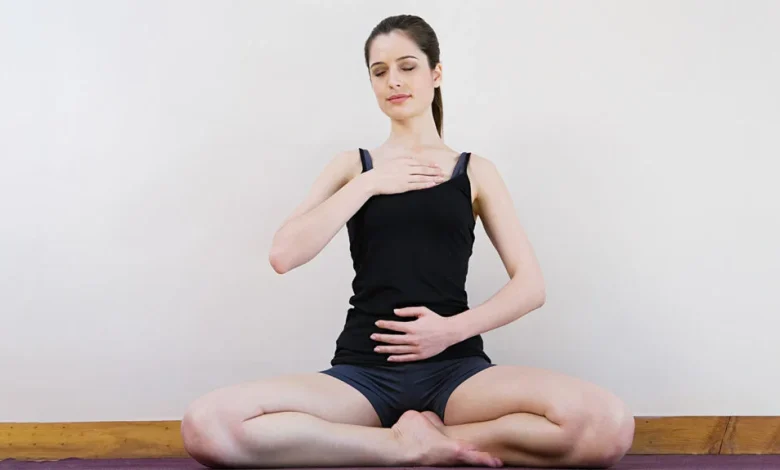
1. Diaphragmatic (Belly) Breathing
This technique involves breathing deeply into your abdomen rather than shallow chest breathing.
How to do it:
- Sit or lie comfortably
- Place one hand on your chest and one on your stomach
- Inhale deeply through your nose, letting your stomach rise
- Exhale slowly through your mouth
2. Box Breathing (4-4-4-4 Method)
A structured technique often used to calm the mind.
Steps:
- Inhale for 4 seconds
- Hold for 4 seconds
- Exhale for 4 seconds
- Hold again for 4 seconds
Repeat for several cycles.
3. Alternate Nostril Breathing
A traditional method that balances energy and focus.
Steps:
- Close one nostril and inhale through the other
- Switch nostrils and exhale
- Continue alternating for a few minutes
4. 4-7-8 Breathing Technique
Known for promoting relaxation and sleep.
Steps:
- Inhale for 4 seconds
- Hold for 7 seconds
- Exhale slowly for 8 seconds
Tips for Making Breathing a Daily Habit
- Practice for 5–10 minutes daily
- Choose a quiet and comfortable space
- Combine breathing with meditation or stretching
- Use reminders to stay consistent
Consistency is key—small daily practice leads to noticeable improvements over time.
Common Mistakes to Avoid
- Breathing too fast or forcefully
- Practicing irregularly
- Sitting in an uncomfortable posture
- Expecting instant results
Breathing techniques work best when done calmly and consistently.
Conclusion
Breathing is a powerful yet often overlooked tool for improving both physical and mental health. By incorporating simple techniques into your daily routine, you can manage stress, boost energy, and enhance overall well-being.
The best part is that it requires no special equipment—just awareness and a few minutes of your time each day.
FAQs
1. How often should I practice breathing exercises?
Daily practice for 5–10 minutes is enough to see benefits over time.
2. Can breathing techniques help with anxiety attacks?
Yes, slow and controlled breathing can help calm the nervous system during anxiety episodes.
3. Is it safe for everyone to practice breathing exercises?
Generally, yes. However, people with respiratory conditions should consult a healthcare professional.
4. How quickly do breathing techniques work?
Some effects, like relaxation, can be felt immediately, while long-term benefits develop gradually.
5. Can I practice breathing techniques before sleep?
Yes, it can improve sleep quality by calming the mind and body.
6. Do breathing exercises replace physical exercise?
No, they complement physical activity but do not replace it.
7. What is the best breathing technique for beginners?
Diaphragmatic breathing is simple and highly effective for beginners.


